A bright, healthy-looking smile is often associated with confidence, youth, and overall wellness. Over time, teeth naturally become discolored due to a combination of factors such as aging, genetics, lifestyle choices, and certain medications. Coffee, tea, wine, and tobacco are common culprits that contribute to staining of tooth enamel. While regular oral hygiene can prevent some discoloration, many people turn to teeth whitening treatments to achieve a more immediate and noticeable improvement in tooth color. Understanding the different types of teeth whitening available helps individuals make informed choices that suit their lifestyle, budget, and desired results.
In-Office Professional Whitening
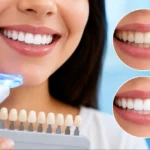
In-office professional whitening is performed under the supervision of a dentist and is considered one of the most effective teeth whitening methods. This procedure involves the application of high-concentration bleaching agents, such as hydrogen peroxide or carbamide peroxide, directly to the teeth. Dentists take precautions to protect the gums and soft tissues with protective gels or barriers. Often, specialized light or laser technology is used to accelerate the bleaching process and enhance results.
Patients benefit from immediate, dramatic improvements in tooth color. Typically, a single session can lighten teeth several shades, making it ideal for individuals preparing for important events such as weddings, photoshoots, or professional presentations. In-office whitening also allows dentists to customize the procedure according to the patient’s sensitivity levels and aesthetic goals, ensuring uniform results and minimal discomfort.
At-Home Whitening Kits Prescribed by Dentists
For those who prefer the convenience of home treatments, dentist-prescribed at-home whitening kits offer a professional alternative. These kits typically include custom-fitted trays and a professional-strength bleaching gel. The trays ensure the whitening agent evenly covers the teeth while minimizing contact with the gums, reducing the risk of irritation.
At-home treatments provide gradual whitening, allowing patients to monitor progress and control the intensity of the results. The duration of the treatment may range from a few days to several weeks, depending on the desired shade and concentration of the gel. This method is particularly effective for mild to moderate stains and provides a safe, controlled approach to whitening, while still leveraging the strength of professional-grade products.
Over-the-Counter Whitening Products
Over-the-counter (OTC) whitening products are widely available and are often the first option for individuals seeking a more affordable solution. These products include whitening strips, gels, toothpaste, and mouth rinses. Whitening strips are coated with a peroxide-based gel and applied directly to the teeth for a set duration. Whitening toothpastes contain mild abrasives and chemical agents designed to remove surface stains, while rinses often include low concentrations of peroxide for gradual whitening over time.
While convenient and accessible, OTC products are generally less effective than professional treatments, particularly for intrinsic or deep stains. They are most suitable for maintenance of previously whitened teeth or for addressing minor surface discoloration. Consistent use and adherence to product instructions are essential to achieve noticeable results.
Natural or DIY Whitening Methods
Some individuals explore natural or DIY methods to lighten teeth, using ingredients such as baking soda, activated charcoal, or oil pulling. Baking soda works as a mild abrasive to remove surface stains, while activated charcoal is thought to absorb pigments that discolor enamel. Oil pulling involves swishing oil, commonly coconut oil, in the mouth to reduce plaque and enhance oral hygiene, potentially contributing to lighter teeth over time.
Natural methods may produce subtle improvements but are generally less effective than professional treatments. Overuse of abrasive substances can damage enamel and increase sensitivity. While DIY approaches may complement regular oral hygiene and professional treatments, they are not a substitute for more advanced whitening procedures.
Laser or Light-Activated Whitening
Laser or light-activated whitening is an advanced form of professional in-office treatment. A bleaching agent is applied to the teeth, and a specialized laser or LED light is used to accelerate the chemical reaction, producing faster and often more dramatic results. This method is particularly effective for stubborn stains or teeth that are resistant to traditional bleaching techniques.
Laser whitening also allows dentists to target specific areas, ensuring uniform brightness across the smile. The procedure is relatively quick, with visible results often achieved in a single session, making it an attractive option for patients seeking immediate improvement.
Choosing the Right Whitening Method
Selecting the most suitable teeth whitening method depends on several factors, including the type and severity of discoloration, oral health, budget, and personal preferences. Professional treatments, whether in-office or at-home, generally provide more effective and longer-lasting results, while OTC and natural methods offer gradual or supplemental improvements. Consulting with a dentist is essential to determine which approach is safest and most effective, as well as to address any underlying dental issues that may impact the outcome of whitening treatments.