Dental implants are one of the most effective and long-lasting solutions for replacing missing teeth. However, proper aftercare is crucial for ensuring successful healing and long-term implant success. Following your dental implant procedure, it’s important to carefully adhere to post-operative instructions provided by your dentist. These instructions are designed to help you manage discomfort, avoid complications, and promote optimal healing.
Immediate Aftercare: First 24 Hours
After your dental implant surgery, your body begins the healing process right away. During the first 24 hours, it’s vital to minimize disturbance to the surgical site.
-
Bleeding: It’s normal to experience slight bleeding or oozing after the procedure. Bite gently on the gauze pad placed over the implant site and change it as needed. If bleeding continues, bite down on a moistened tea bag — the tannins in tea help with clotting.
-
Swelling: Swelling is also a natural response. Applying an ice pack to the cheek (20 minutes on, 20 minutes off) during the first 24–48 hours can help reduce it.
-
Rest: Avoid strenuous activities for the first 24–48 hours. Rest with your head elevated to minimize swelling and promote clot formation.
-
Diet: Stick to soft, cool foods such as yogurt, applesauce, smoothies, and mashed potatoes. Avoid hot, spicy, or crunchy foods. Do not use straws, as the suction can disrupt the healing site.
-
Medications: Take all prescribed medications as directed. Pain relievers and antibiotics are typically prescribed to manage discomfort and prevent infection.
Oral Hygiene
Maintaining oral hygiene after your implant surgery is crucial, but it must be done with care to avoid irritating the surgical site.
-
Day of Surgery: Do not rinse your mouth or brush the surgical area on the day of the procedure.
-
Next Day Onward: You can begin gently rinsing with warm salt water (1/2 teaspoon of salt in 8 oz. of water) 2–3 times a day to promote healing and reduce bacteria. Avoid commercial mouthwashes unless recommended by your dentist.
-
Brushing: Resume brushing your teeth the day after surgery, but be gentle around the implant area. Use a soft-bristled toothbrush and avoid electric toothbrushes near the site until cleared by your dentist.
Managing Pain and Discomfort
Some degree of pain and tenderness is expected after the procedure, but it should gradually improve over several days.
-
Pain Medication: Over-the-counter medications like ibuprofen or acetaminophen can help manage pain. Your dentist may also prescribe stronger painkillers if necessary.
-
Ice Therapy: Continue applying ice packs during the first two days to help with pain and swelling.
-
Sleep: Sleep with your head elevated on pillows to reduce pressure and swelling around the surgical area.
What to Avoid
Certain habits and activities can interfere with healing and compromise the success of your dental implant.
-
Smoking: Smoking significantly delays healing and increases the risk of implant failure. Patients are advised to avoid smoking before and after the procedure.
-
Alcohol: Refrain from drinking alcohol for at least 72 hours after surgery, as it can interfere with healing and interact negatively with medications.
-
Touching the Site: Do not poke or prod the surgical area with your tongue or fingers.
-
Physical Activity: Avoid vigorous physical activity or heavy lifting for the first few days.
Follow-Up Care
Follow-up appointments are critical to monitor your healing and ensure that the implant is integrating well with the bone.
-
Your dentist will schedule one or more follow-up visits to evaluate your progress and, if necessary, remove sutures.
-
During healing (which may take several months), you may be given a temporary crown or denture to protect the site and preserve function.
-
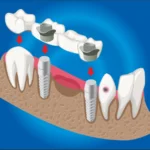
Once osseointegration is complete, your dentist will place the final crown, bridge, or denture on the implant.
By carefully following these post-op instructions and attending all scheduled dental visits, you give your implant the best chance for success and long-term function. If you experience unusual pain, swelling, bleeding, or signs of infection, contact your dentist immediately.