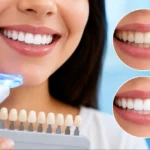
Dental veneers are thin shells, typically made of porcelain or composite resin, that are bonded to the front surface of teeth to improve their appearance. They are widely used to address discoloration, chips, minor misalignments, gaps, and uneven teeth. Veneers offer a long-lasting cosmetic solution that can dramatically enhance a smile, providing a natural-looking, bright, and uniform appearance. While veneers are highly durable, proper maintenance is essential to preserve their function, color, and overall aesthetic for years.
Unlike natural teeth, veneers do not benefit from the same self-repair capabilities. Once placed, they rely on proper oral hygiene and careful habits to maintain their condition. Failure to take care of veneers can result in staining, chipping, or even detachment, which may compromise both appearance and dental health. Therefore, understanding the key steps to care for veneers is critical for anyone investing in this cosmetic dental treatment.
Daily Oral Hygiene Practices
The foundation of maintaining dental veneers begins with consistent daily oral hygiene. Brushing and flossing are essential to prevent plaque buildup and gum disease, which can affect both natural teeth and veneers. Dentists typically recommend brushing at least twice a day with a soft-bristled toothbrush and a non-abrasive fluoride toothpaste to avoid scratching the veneer surface. Hard-bristled brushes or abrasive pastes can wear down the protective glaze on porcelain veneers, dulling their shine over time.
Flossing at least once daily is equally important to remove food particles and prevent plaque accumulation around the gumline. Using interdental brushes or water flossers can also help clean tight spaces between teeth and veneers, maintaining oral health and preventing staining or gum irritation.
Avoiding Harmful Habits
While veneers are strong, they are not indestructible. Certain habits can damage them, so awareness and moderation are necessary. Chewing hard objects, such as ice, pens, or hard candies, can cause veneers to chip or crack. Teeth grinding (bruxism) is another common risk factor that can compromise veneers; wearing a night guard while sleeping may be recommended to protect both natural teeth and veneers from excessive pressure.
Additionally, habits like using teeth to open packages or bite nails should be avoided. Veneers may also be affected by staining agents over time. While porcelain veneers are highly stain-resistant, composite veneers can be more susceptible to discoloration. Limiting consumption of coffee, tea, red wine, and tobacco products helps maintain their bright appearance.
Regular Dental Check-Ups
Routine dental visits are essential for maintaining veneers and overall oral health. Dentists recommend check-ups every six months to monitor the condition of veneers and ensure that the surrounding teeth and gums remain healthy. Professional cleanings help remove plaque and tartar that cannot be removed by daily brushing alone. During these visits, dentists can also detect early signs of wear, damage, or decay, addressing any issues before they escalate.
During check-ups, the dentist may also polish veneers to restore their luster, particularly composite veneers, which can lose shine over time. X-rays and oral examinations can reveal underlying issues, such as tooth decay or gum disease, which, if left untreated, could compromise the veneers’ longevity.
Maintaining Veneers Through Lifestyle Choices
Lifestyle choices play a significant role in prolonging the life of dental veneers. Maintaining a balanced diet with limited acidic or sugary foods helps prevent decay and preserves the bond between the veneers and natural teeth. Avoiding extremely hard or sticky foods reduces the risk of chipping or loosening veneers. Wearing protective gear during contact sports, such as mouthguards, further safeguards veneers from accidental impact.
Smoking not only stains natural teeth but can also affect composite veneers, causing yellowing or discoloration. Reducing or quitting tobacco use benefits both oral and overall health while maintaining the veneers’ bright, natural appearance.
Special Considerations for Veneer Longevity
While veneers are designed to be durable, they are not permanent and may require replacement over time. Porcelain veneers can last 10–15 years or longer with proper care, whereas composite veneers generally last 5–7 years. Understanding this expected lifespan allows patients to plan for maintenance and replacement when necessary.
Patients should also be aware of changes in bite or alignment, as shifts in tooth position may affect the fit and appearance of veneers. Consulting with a dentist promptly about any unusual sensations, chips, or loosening can prevent more serious complications. Maintaining veneers is not only about appearance but also about preserving oral health and functionality.