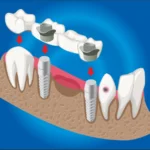
Dental crowns are restorative caps placed over damaged or weakened teeth to restore their shape, size, strength, and appearance. They are commonly made from porcelain, ceramic, metal, or a combination of materials to ensure durability and a natural look. Crowns are often used after root canal treatments, large fillings, or to protect a cracked tooth. While dental crowns are designed to be strong and long-lasting, proper care is essential to maximize their lifespan and maintain oral health.
Unlike natural teeth, crowns do not decay, but the surrounding teeth and gums are still susceptible to dental issues. Neglecting oral hygiene or engaging in harmful habits can compromise both the crown and the underlying tooth, leading to discomfort, decay, or even the need for replacement. Maintaining a crown involves routine care, mindful habits, and regular dental check-ups.
Daily Oral Hygiene for Crowns
Daily oral hygiene is the foundation of crown maintenance. Brushing twice a day with a soft-bristled toothbrush helps remove plaque and bacteria that accumulate around the crown and adjacent teeth. Using fluoride toothpaste strengthens both natural teeth and the crowned tooth. It’s essential to clean along the gumline where the crown meets the natural tooth to prevent decay or gum disease.
Flossing once a day is equally important. Special attention should be given to the area surrounding the crown, as food particles and plaque tend to collect in these spots. Using dental floss, interdental brushes, or water flossers helps clean hard-to-reach areas, reducing the risk of gum inflammation and cavities under or near the crown. Maintaining consistent oral hygiene prevents discoloration, decay, and other issues that could compromise the crown’s integrity.
Avoiding Harmful Habits
Dental crowns are durable, but they are not indestructible. Certain habits can damage or weaken a crown over time. Chewing on hard objects like ice, pens, or hard candies can cause cracking or chipping. Teeth grinding, also known as bruxism, can place excessive pressure on crowns and natural teeth alike. Patients who grind their teeth should consider wearing a night guard to protect both the crown and surrounding teeth.
Using teeth as tools to open packaging or bite nails is another harmful habit that can compromise a crown. Avoiding these activities helps maintain the structural integrity of the crown and prevents costly repairs or replacements. Additionally, patients should limit staining agents like coffee, tea, red wine, and tobacco products, particularly for porcelain crowns, as these can cause discoloration over time.
Regular Dental Check-Ups
Routine dental visits are critical for maintaining crowns and overall oral health. Dentists typically recommend check-ups every six months to examine the crown, underlying tooth, and surrounding gums. During these visits, professional cleaning removes plaque and tartar that cannot be eliminated through regular brushing and flossing.
Dental check-ups also allow the dentist to identify potential problems early. Issues like a loose crown, small cracks, or decay under the crown can be treated before they escalate into more serious complications. X-rays may be taken to evaluate the tooth beneath the crown, ensuring it remains healthy and structurally sound.
Caring for Different Types of Crowns
Different crown materials may require specific maintenance. Porcelain and ceramic crowns are aesthetically pleasing but more susceptible to chipping than metal crowns. Avoiding hard foods and habits that place pressure on these crowns is essential. Metal crowns, while extremely durable, may still require regular hygiene practices to prevent gum irritation or plaque buildup around the crown margins.
All crowns benefit from the same foundational care: proper brushing, flossing, avoiding harmful habits, and regular dental visits. Patients should consult their dentist for personalized advice based on crown material, placement, and individual oral health needs.