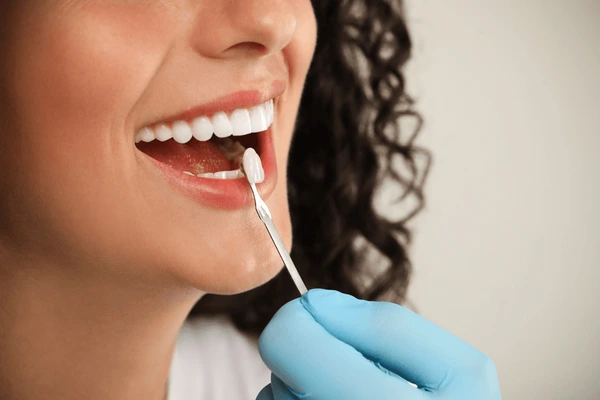
The Pros and Cons of Porcelain Veneers
Porcelain veneers have become one of the most popular cosmetic dentistry options for individuals seeking to enhance the appearance of their smile. These thin shells of medical-grade ceramic are custom-made and bonded to the front surfaces of teeth to improve their color, shape, size, and overall aesthetics. Often featured in smile makeover treatments, porcelain veneers are favored by celebrities and everyday patients alike. However, like any dental procedure, they come with both advantages and disadvantages that should be carefully considered before making a decision.
Pros of Porcelain Veneers
- Aesthetic Improvement
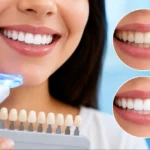
One of the most significant advantages of porcelain veneers is the instant and dramatic improvement they offer in terms of appearance. Veneers can correct a wide range of cosmetic imperfections, including discoloration, chips, cracks, gaps, and minor misalignments. The porcelain material mimics the translucency and luster of natural tooth enamel, giving the restored teeth a realistic, attractive look.
- Stain Resistance
Porcelain is highly resistant to staining, unlike natural enamel, which can be affected by coffee, tea, wine, and tobacco over time. Patients who choose porcelain veneers often enjoy long-lasting whiteness, as the material does not absorb pigments easily. This makes veneers especially appealing for individuals with intrinsic stains that do not respond well to traditional teeth whitening methods.
- Durability
With proper care, porcelain veneers are remarkably durable. They can last anywhere from 10 to 15 years or longer, depending on the quality of the material and the skill of the dentist who places them. Daily oral hygiene practices, along with regular dental checkups, can help prolong their lifespan and maintain their appearance.
- Minimally Invasive Procedure
The veneer placement process is generally considered less invasive than other restorative treatments such as crowns. Only a small amount of enamel — usually less than 1 millimeter — is removed from the front surface of the teeth to make room for the veneer. In some cases, “no-prep” veneers require even less tooth reduction, offering a more conservative approach to smile enhancement.
- Quick and Customized Results
Unlike orthodontic treatments, which can take months or years to show results, porcelain veneers offer a relatively quick solution. In just a few dental visits, patients can achieve a complete transformation. Each veneer is custom-designed to match the color, shape, and size of surrounding teeth, ensuring a natural look that complements the individual’s facial features.
Cons of Porcelain Veneers
- Irreversible Process
One of the primary drawbacks of porcelain veneers is that the procedure is typically irreversible. Once the enamel is removed from the tooth to accommodate the veneer, it cannot be replaced. This means that the tooth will always require some form of coverage in the future, either through a new veneer or an alternative restoration. It is important for patients to understand the long-term commitment involved.
- Cost
Porcelain veneers are considered a cosmetic procedure and are rarely covered by dental insurance. The cost per tooth can be high, often ranging from several hundred to over a thousand dollars, depending on geographic location, the dentist’s experience, and the materials used. For individuals requiring multiple veneers, the total expense can be significant.